By Justin Davis, Drone Camps RC · October 6, 2026
For years, getting into HD digital FPV meant making peace with premium prices. DJI's ecosystem delivers spectacular video but asks for a serious investment; HDZero carved out its own devoted following at a lower but still significant cost. Now CaddxFPV's Walksnail brand is making its most aggressive play yet for the budget end of the market. The Ascent line — goggles, receiver, and VTX kit — is now shipping, and the prices are the story: $149, $149, and $39.99.
This is the entry-level HD digital FPV path the hobby has been waiting for. Here is what each piece does and who it is for.
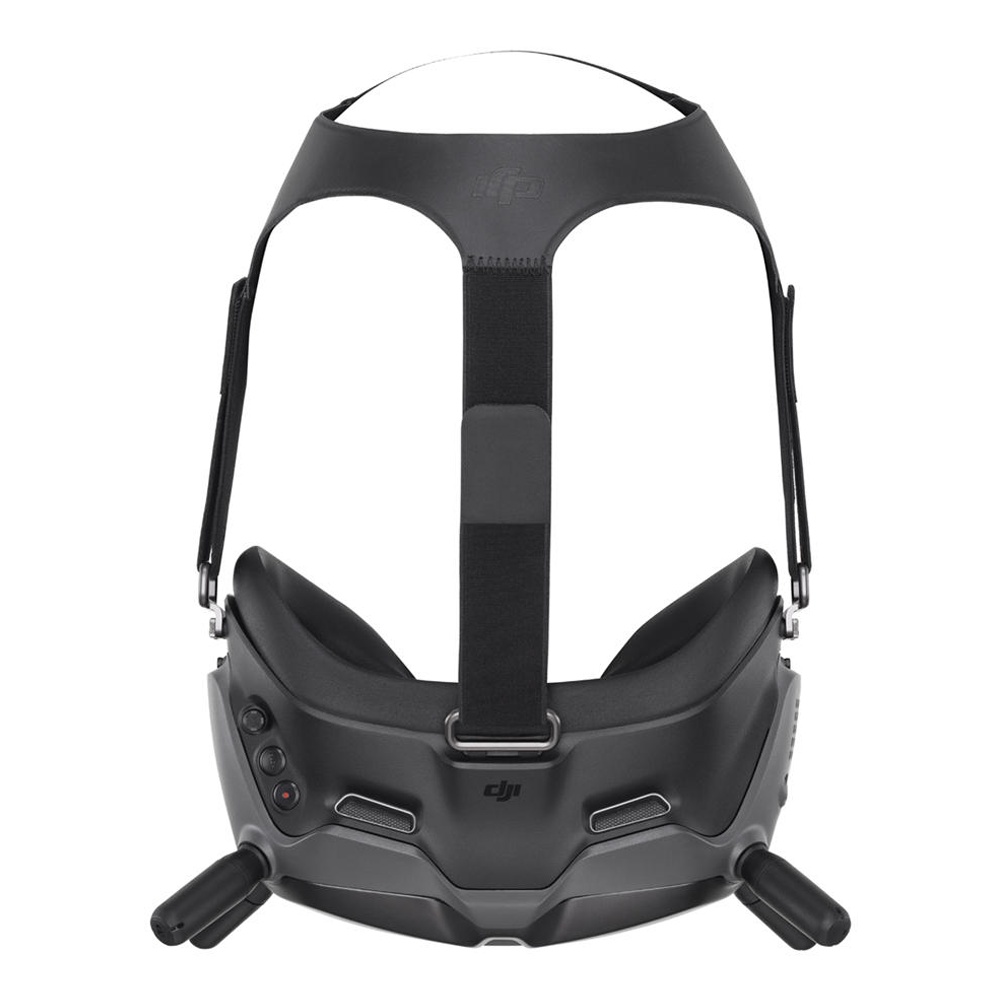
The Ascent FPV Goggles are the centerpiece — a complete HD goggle for $149. To put that in perspective, it is roughly the price of a mid-range analog goggle, but with a digital HD link. For pilots who have been watching the digital revolution from the sidelines because of cost, this is the on-ramp.
Built-in 1080p DVR recording to a TF card means every flight can be captured in high definition without additional hardware. DVR quality matters more than spec sheets suggest: it is how most pilots review their flying, share clips, and diagnose problems. Having it built in at this price point removes a common hidden cost of budget setups.
The goggles position Walksnail as the value alternative without asking pilots to accept an obsolete experience. You get a modern digital link, onboard recording, and a price that leaves room in the budget for the actual quad.
Not everyone wants new goggles. The Ascent VRX Pro — also $149 — is a 1080p/120fps HDMI receiver module for pilots who already own goggles or prefer flying with a monitor. Plug it in via HDMI and you have a Walksnail HD receiver on whatever display you like.
The specs are solid for the money: dual 2.8dBi circular-polarized antennas, 5.725 to 5.829 GHz frequency coverage, and a wide 7.4 to 25.2 volt input range that accommodates everything from small 2S packs to full 6S flight batteries. The 120fps capability at 1080p keeps motion smooth — important for FPV, where frame rate directly affects how connected the pilot feels to the aircraft.
The VRX also serves a second audience: spectators and coaches. A receiver on a monitor lets an instructor watch a student's flight in real time, or lets friends share the experience at the field. At $149, it is cheap enough to be a shared club asset rather than a personal luxury.
The third piece is the Ascent HD Lite+ VTX kit at $39.99 — the airside hardware that goes on the quad. Forty dollars for an HD digital video transmitter is genuinely disruptive pricing. It puts digital video within reach of the tiny whoop and toothpick builds where every dollar of the parts list is scrutinized.
The "Lite" designation signals the intended use: lightweight builds where size and weight matter more than maximum range or power. For indoor whoops, backyard flyers, and lightweight freestyle quads, a compact HD VTX at this price fundamentally changes the build math. Digital video is no longer a premium upgrade; it is a default choice.
Every budget HD product gets measured against two benchmarks. DJI's O4 system remains the image-quality and latency leader, with the ecosystem maturity and polish that comes from massive R&D investment — and pricing to match. HDZero offers a different philosophy: ultra-low latency tuned for racers, with an open ecosystem and passionate community support.
Walksnail's Ascent line does not try to beat either on their home turf. Instead, it attacks the price axis that both leave exposed. A pilot who cannot justify DJI's cost and does not need HDZero's racing-optimized latency now has a third path: complete HD FPV at a total system cost that would barely have covered goggles alone a few years ago.
The real competition for Ascent is not DJI or HDZero — it is analog. Pilots still flying analog because digital was too expensive are the target audience. And converting analog pilots to digital grows the entire HD ecosystem: more users, more content, more development.
This audience is exactly who the Ascent line is for. Drone Camps readers include huge numbers of pilots who are price-sensitive by necessity — students, young pilots, and hobbyists stretching every dollar across quads, batteries, and parts. A full HD FPV setup at budget prices is not a luxury for this crowd; it is the difference between flying digital and not flying digital at all.
There is also a practical retail angle. When customers ask what it costs to get into HD FPV, the answer just got much shorter. Goggles, receiver options, and a $40 VTX kit make the upgrade path easy to explain and easy to afford. Expect the Ascent line to show up in a lot of first-HD-setup recommendations — including ours.
The Ascent ecosystem is shipping now. DJI still owns the top of the market and HDZero still owns the hearts of racers, but Walksnail just made the bottom of the HD market a lot more interesting. For pilots who have been priced out of digital, the wait is over — $149 gets you in the game.